Kicking off today is the annual Computex tradeshow in Taiwan. Home to countless system and device manufacturers, Computex is a cornucopia of consumer electronics, and these days is also the biggest PC-centric show of the year. And even though it takes place in June, barely half-way through the year, the show routinely sets the stage for the consumer and server products set to launch later in the year, in the tech industry’s critical third and fourth quarters.
There are several major keynotes during this year’s show. While AMD has passed on hosting a keynote this year – they are essentially smack-dab in the middle of their product cycles – Intel, NVIDIA, and Qualcomm and are all at the show. And, as the largest of the major tech companies at the show, it is perhaps only fitting that NVIDIA gets to kick things off with the first major keynote.
NVIDIA Computex 2026 Keynote Preview
As is typically the case, NVIDIA CEO (and home-grown Taiwanese rockstar) Jensen Huang will be headlining the company’s Computex-adjacent 2026 keynote. Technically part of the company’s coincidentally-timed GTC Taipei trade show, this is none the less the first major keynote of the Computex season – and with no rival programming, it is effectively the show’s opening keynote.
NVIDIA’s predominant business interest these days continues to be everything AI – backed by the explosion in demand for hardware for AI training and inference – and as you would expect, AI will be a big part of this year’s keynote.
In terms of products, NVIDIA just unloaded a number of major product announcements two months ago at the company’s exclusive conference, GTC 2026, so do not expect NVIDIA to have a ton of hardware announcements for Computex. Still, the company did not come to Taiwan empty-handed – and they are not being coy about it, either. On Friday the company posted a tweet to their account promising “A new era of PC.” and coordinates for the keynote venue in Taiwan.
A new era of PC.
25.0528, 121.5990
— NVIDIA (@nvidia) May 29, 2026
And to remove all doubt that we are talking about Windows PCs here, Microsoft’s Windows account posted the same message at the same time, while Arm also posted the same a few hours later.
Among the worst-kept secrets in the industry right now is that NVIDIA has been working on an SoC for consumer Windows-on-Arm devices, codenamed N1X. We will not read into the tea leaves too much ahead of the keynote, but NVIDIA has already laid the groundwork for such a chip with GB10 – the heart of the DGX Spark and other small form factor PCs – so it would seem that they intend to extend their reach. Just where they are reaching (and how much money they are reaching for) we will no doubt find out this evening.
Consumer PC ambitions aside, we are also expecting this year’s keynote to be heavy on robotics from NVIDIA, which has made it one of their pillars of their Taiwan efforts to help the island nation become a leader in robotics, as well. So we would not be surprised to see some robotics-related revelations from the company to go with this.
Taiwan in general is expected to be a major focal point of this year’s keynote, even more than usual. From a business standpoint, the company is heavily reliant on partners in Taiwan to supply parts for, build, and ship systems integrating NVIDIA’s GPUs, CPUs, and networking gear. So a key part of NVIDIA’s Computex keynotes in recent years has been recognizing those partners, and helping to promote them. Adding to that, construction is about to begin on NVIDIA’s local Constellation campus, and Jensen went on the record last week during GTC Taipei as stating that he expected the company to spend 150 billion dollars a year in Taiwan. In short, NVIDIA’s ties to Taiwan run deep, and they are going to get deeper.
Finally, no NVIDIA keynote would be complete without some kind of data center AI tie-in. NVIDIA is not yet shipping Vera Rubin in volume, so Computex would be a prime opportunity to promote the hardware a bit more ahead of its launch later this year.
NVIDIA’s keynote is scheduled to run for 120 minutes, and will kick off at 8pm PT/11pm ET/11am CST/03:00 UTC.
NVIDIA Computex 2026 Keynote Coverage Live
It’s now a few minutes before 8pm Pacific, and we are just waiting on NVIDIA’s keynote to kick off. These normally never start quite on time, so we’ll see how things go.
And the moment I say that, NVIDIA has started rolling the pre-keynote disclaimers. So here we go!
Starting as always with an introductory video. The theme: tokens and AI.
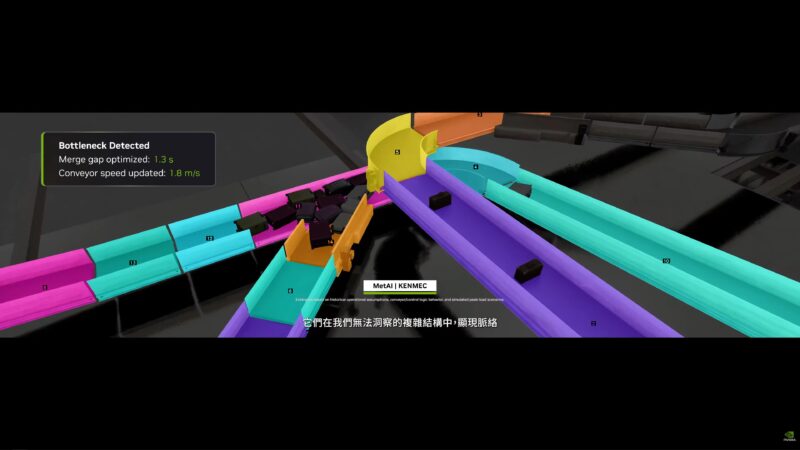
There’s also a heavy emphasis on robotics, particularly with how AI enables it.
“And here in Taipei is where it all begins”

Here’s Jensen!
“Welcome to GTC Taiwan”
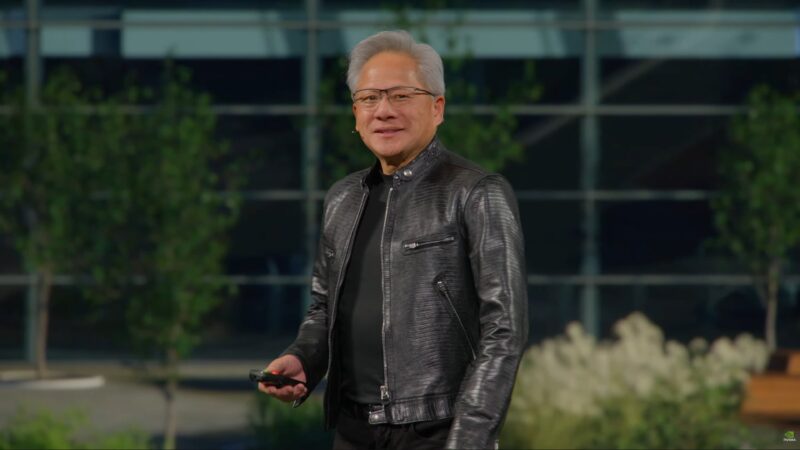
Jensen apparently brought his parents.
There are apparently 70 watch parties for the keynote in Taiwan.
Jensen says that he has a lot of partners in Taiwan to thank.
“NVIDIA’s ecosystem spans all the way upstream to all of our supply chain” and “downstream to data centers and end-users”
NVIDIA is going to talk about almost all of the ecosystem tonight.
And to start things off, Jensen is leading with agentic AI.
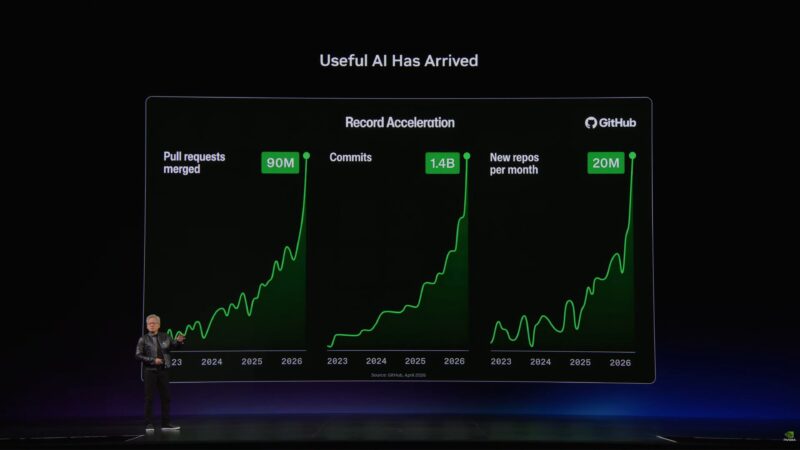
The number of commits to GitHub has been growing by leaps and bounds. It has nearly tripled in 2026, thanks to AI coding tools improving the productivity of software engineers.
Jensen also argues that this will spur hiring more software engineers since the output per engineer is increasing. “This will show up in our economy somehow soon.”
“Tokens are now profitable units of revenue”
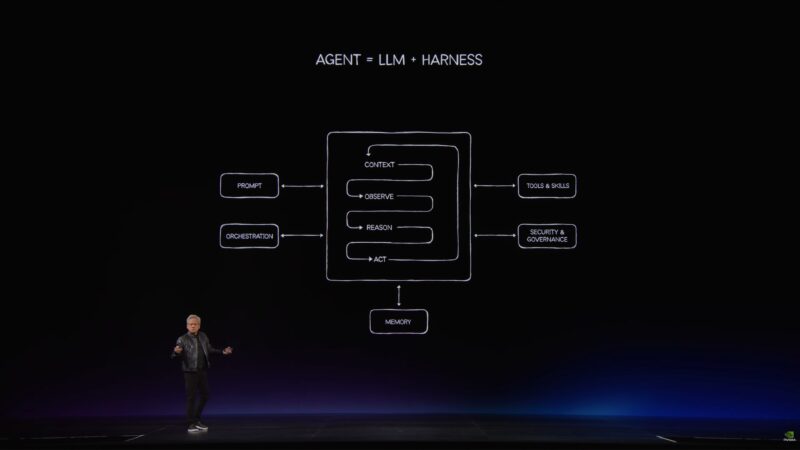
Jensen is now recapping the execution flow for for agenetic AI and individual agents.
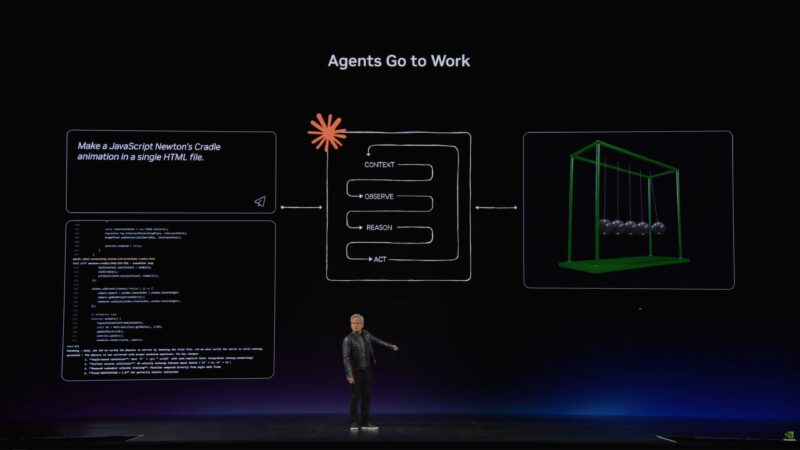
And showing examples of simple AI coding prompts/projects.
“This is now the new computing pattern.” “For two years we have been building towards this, and now it has arrived.”
And to bring things back to NVIDIA, Jensen is talking about how thee company’s CUDA-X libraries have helped to bring this all about.
Rolling a video on the subject.
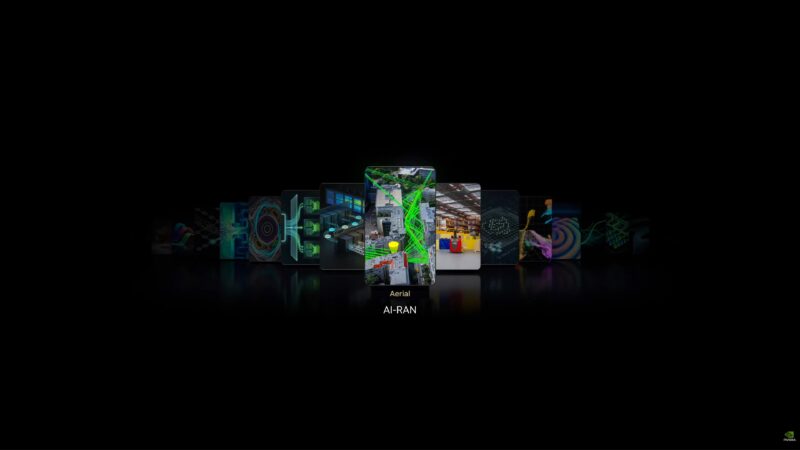

“The computing pattern of software is going to change”
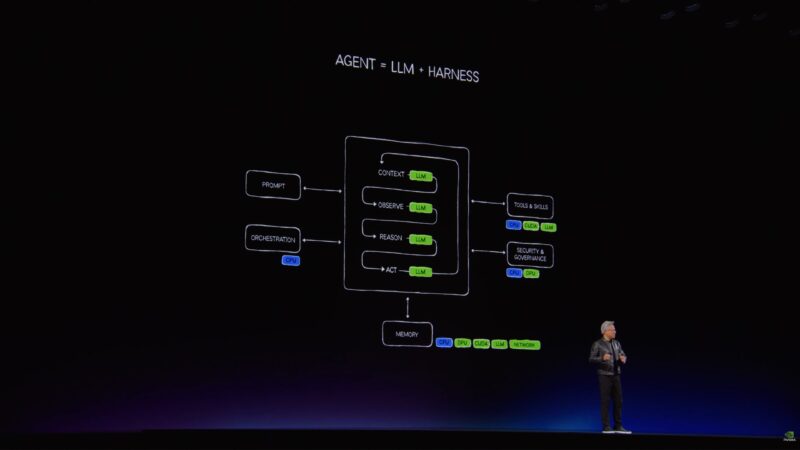
Tomorrow’s agents are going to be very sophisticated users of tools. Which is going to make the CUDA-X libraries very important for agents.
The CUDA-X libraries will come with skills to help agents understand how to do tasks.
And all of this is going to require a large collection of hardware: GPU for LLM, CPU for orchestration, memory, DPUs, etc.
This is why NVIDIA built its complete Vera Rubin ecosystem. The full stack.
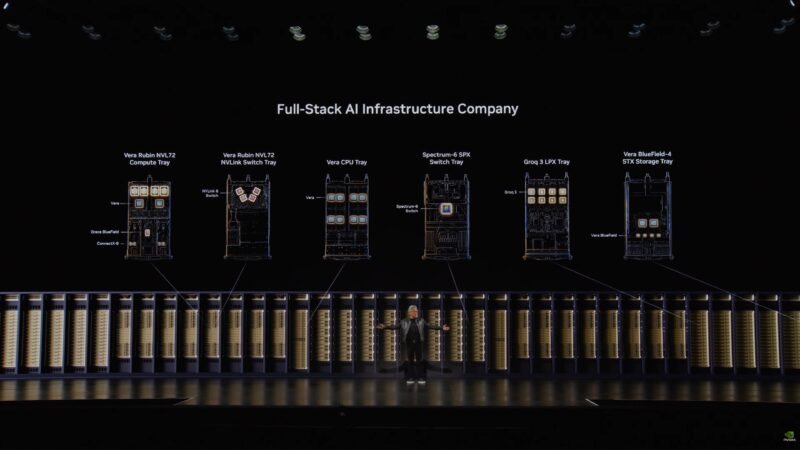
Ultimately NVIDIA’s partners don’t want to just buy computers, but they want to build AI factories. Which is why NVIDIA has started to transform itself again.
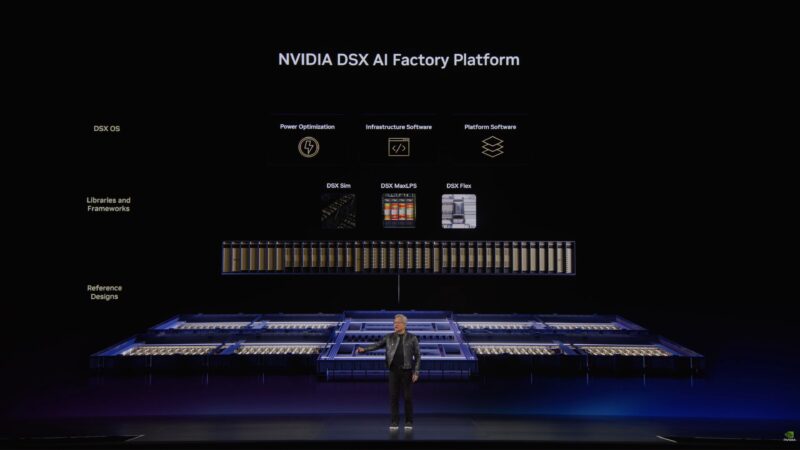
Now rolling another video, this time on AI factory infrastructure build-outs.
NVIDIA DSX is the blueprint for building this factories
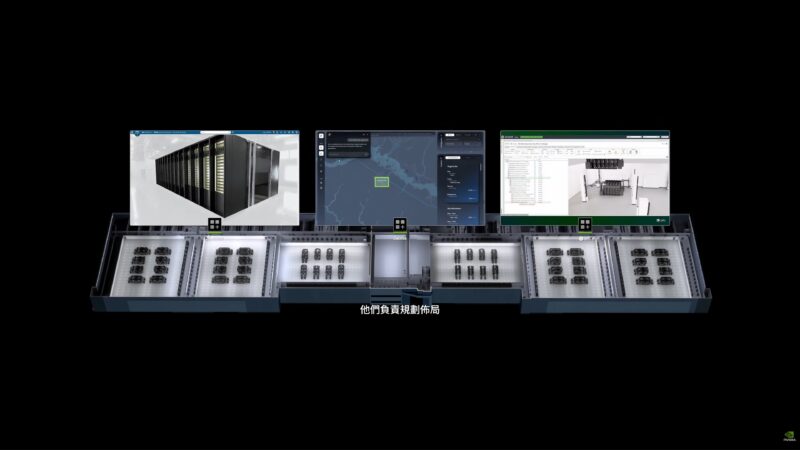
All of this starts with simulations before anything is even built.
Once the physical infrastructure is built, then NVIDIA’s software is the next step. DSX MaxLPS helps data center operators manage power consumption and run more hardware at a given power budget.
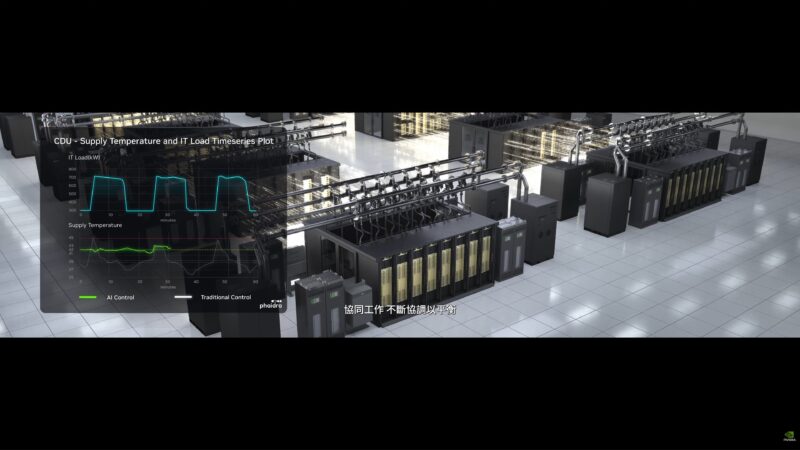
And DSX Flex to cooperate with energy providers to scale back data center power consumption when energy availability is low.
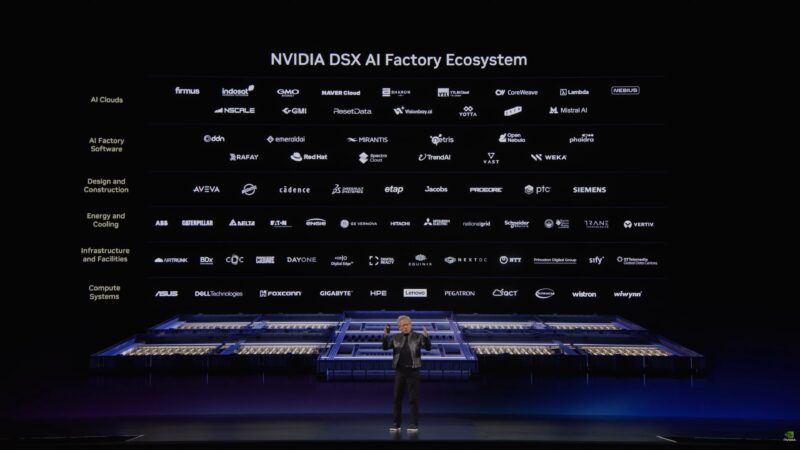
Apparently the cost of a gigawatt of AI infrastructure is going to reach 100 billion dollars. Which is why simulations are so critical; there’s no room for error.
Jensen is now talking about the various companies who provide hardware and cloud services built from NVIDIA’s hardware and software.
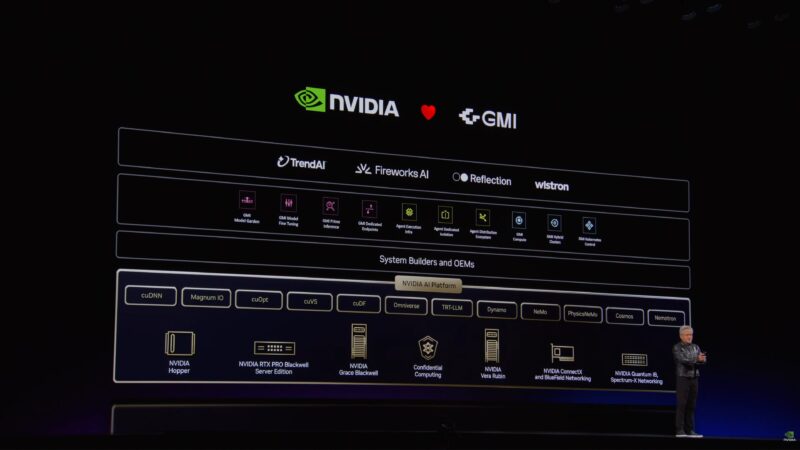
“Compute is revenue now. Compute is profit”
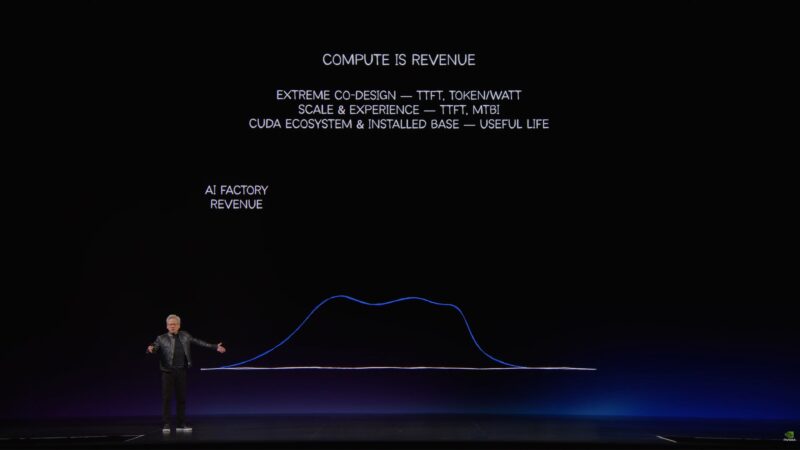
And recapping how NVIDIA has built all of this, allowing them to produce an ecosystem of hardware and software that is faster to setup and higher performing than anything else. Extreme co-design in practice.
“1 gigawatt means 1 gigawatt. That is all the power generation you can do.”
Throughput per Watt is revenue.
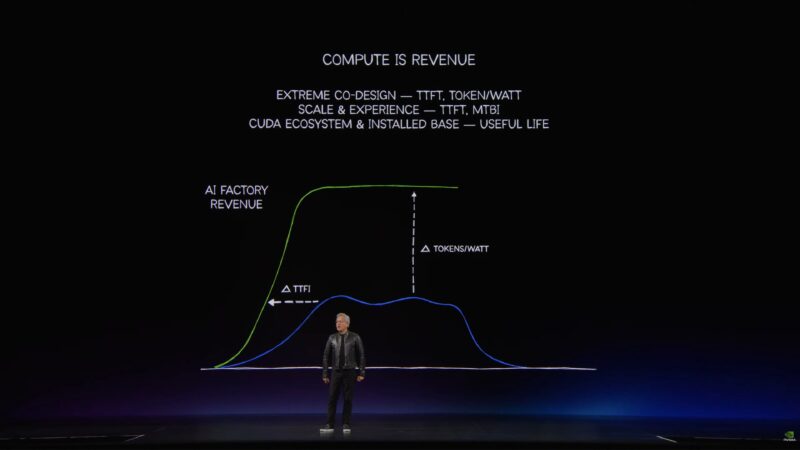
Cheaper chips don’t help if the cost of running them is going to be higher.
“The more you buy, the more you make.”
Meanwhile the software for these systems is changing all the time. AI has completely changed since Hopper, never mind Ampere. LLMs to MoE to agentic.
“You cannot predict how long your system will last. I can.”
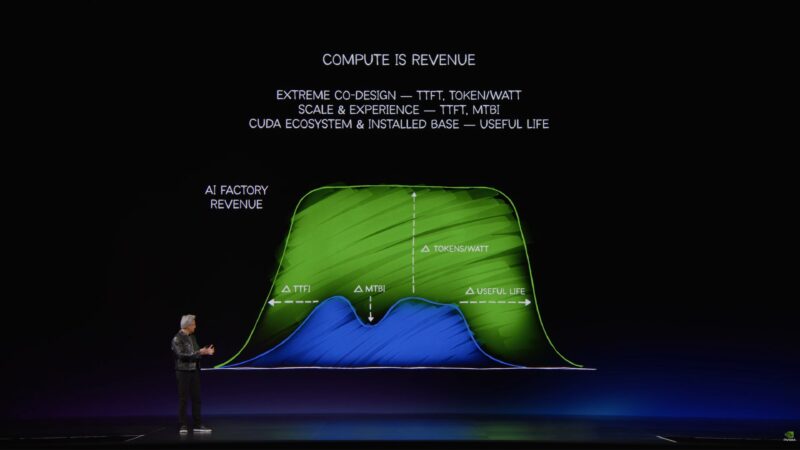
Jensen is promising a longer useful life for NVIDIA hardware.
“Useful AI is here. Profitable AI is here.”
And to help with that, Jensen is announcing that Vera Rubin is now in full production.
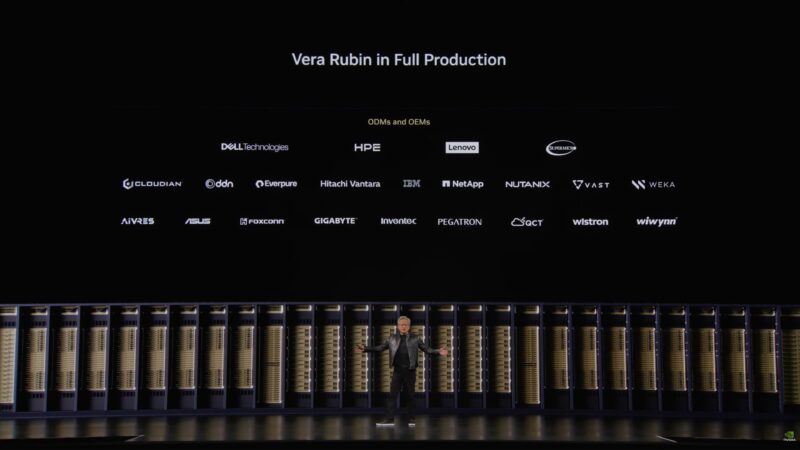
Meanwhile assembly times have gone down. A single Grace Blackwell rack can now apparently be assembled in 5 minutes.
Jensen is thanking everyone for getting Vera Rubin in full production.
Now rolling another video, this time on Vera Rubin.
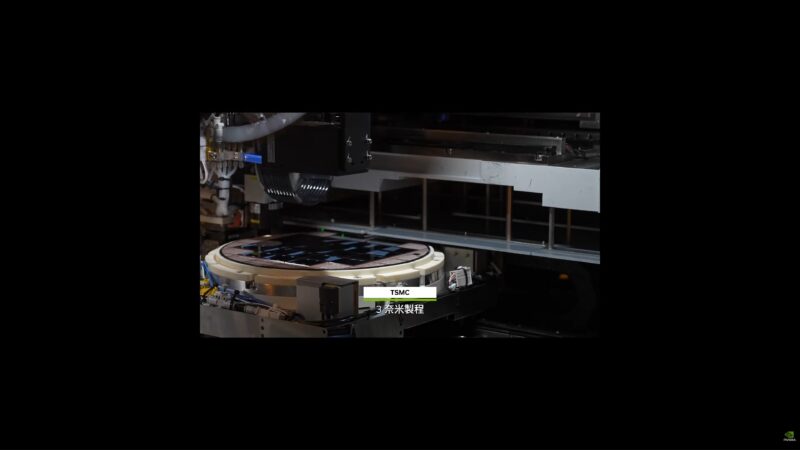
The video includes quick clips of the various Taiwanese suppliers who are part of the Vera Rubin ecosystem, such as TSMC and Foxconn.
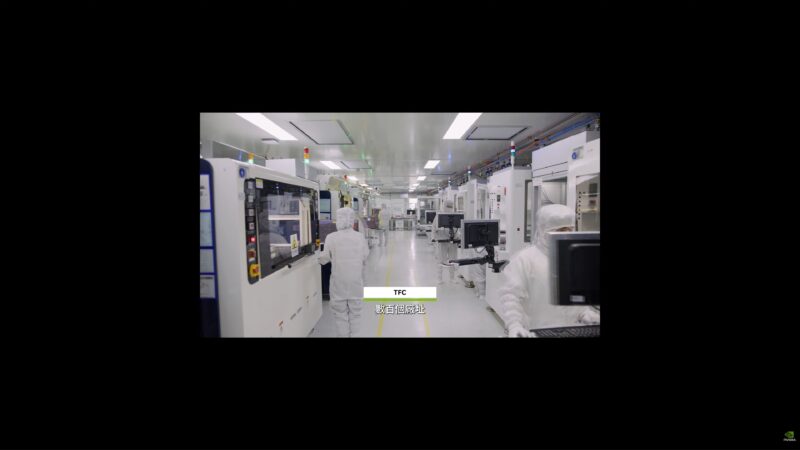
“Thank you Taiwan.”
Vera Rubin wasn’t just built to run AI, but it was built to run agents.
The computer that can run agents will be the most advanced in the world.
Now bringing out a Vera Rubin rack.
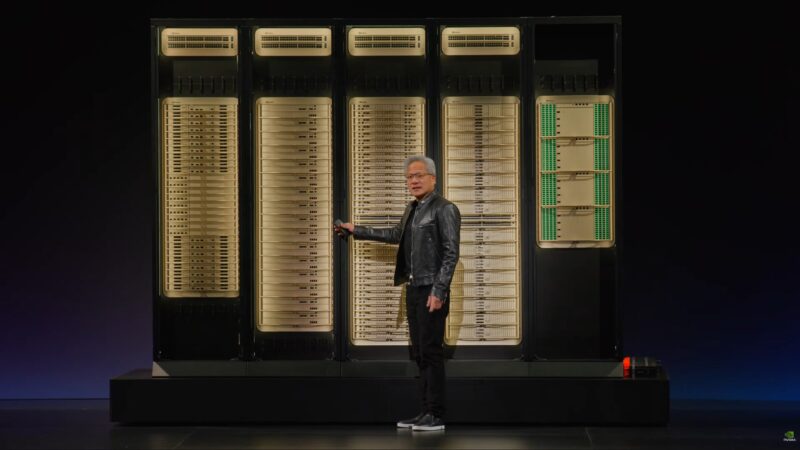
NVL72. Groq. Vera CPU racks. Networking racks.
“NVIDIA’s token cost is the lowest in the world” thanks to extreme co-design and NVIDIA’s understanding of inference, leading to NVL72.
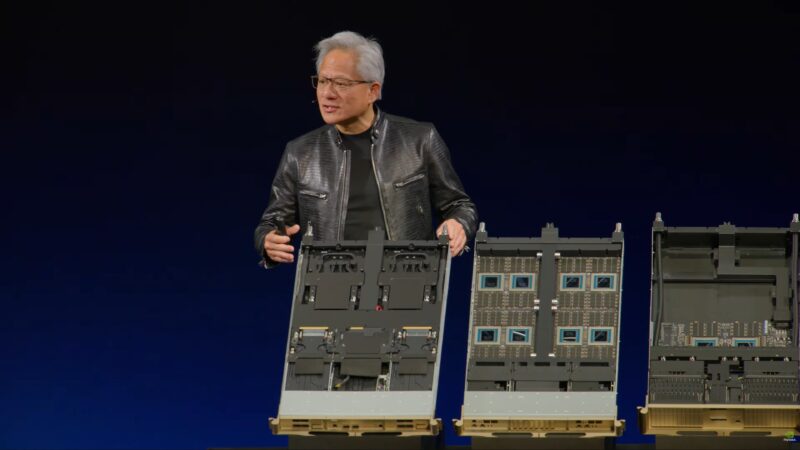
There are no cables in a Vera Rubin compute tray.
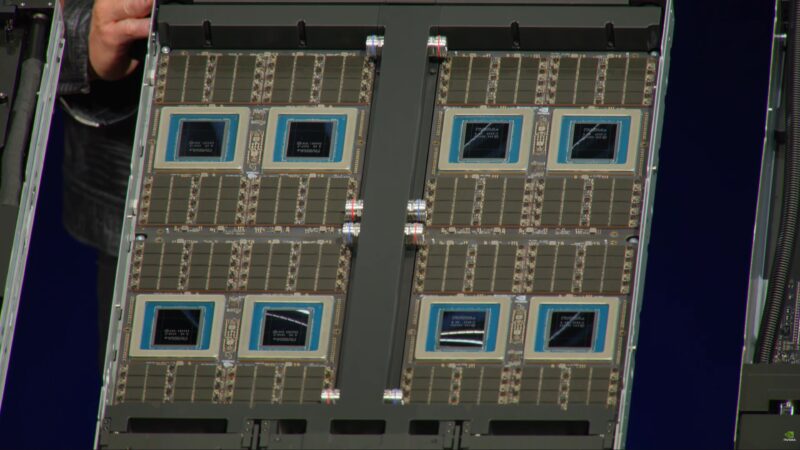
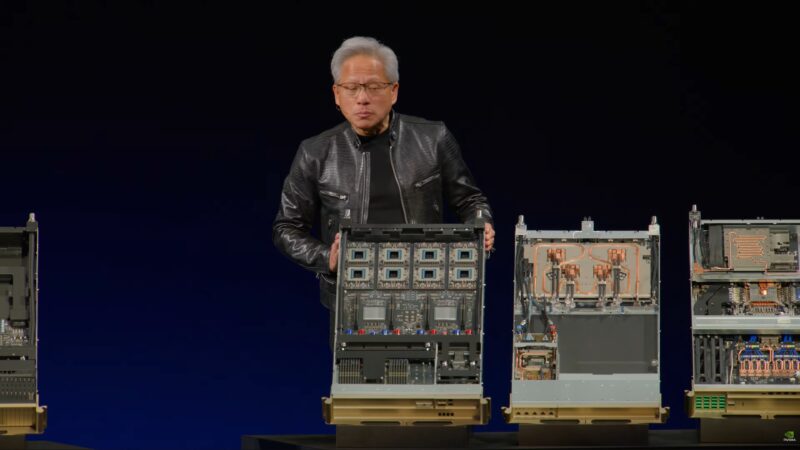
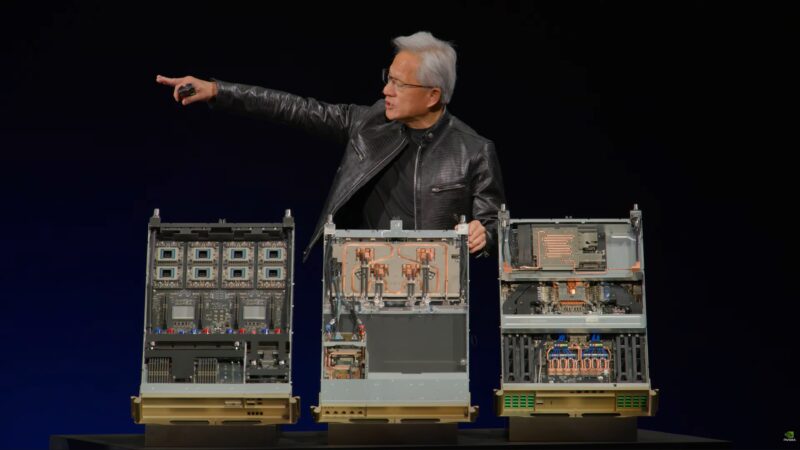
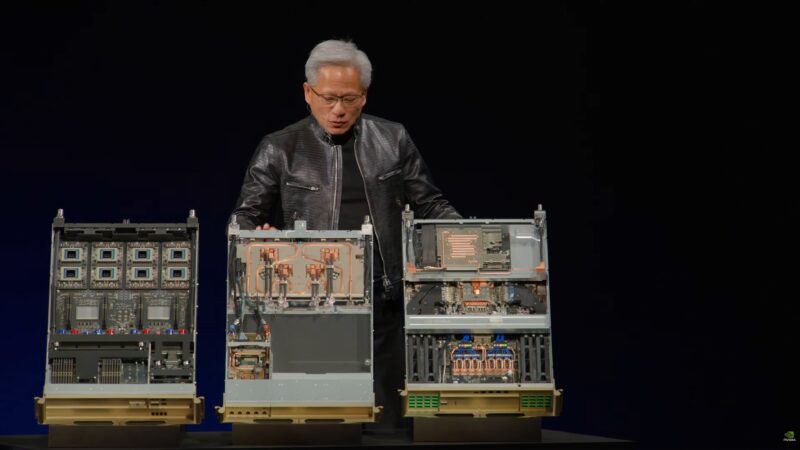
NVIDIA is now the largest networking company in the world.
Now shifting gears to the next major industry that NVIDIA is going to be a part of.
“Let’s talk about CPUs”
Vera CPUs built for the age of AI.
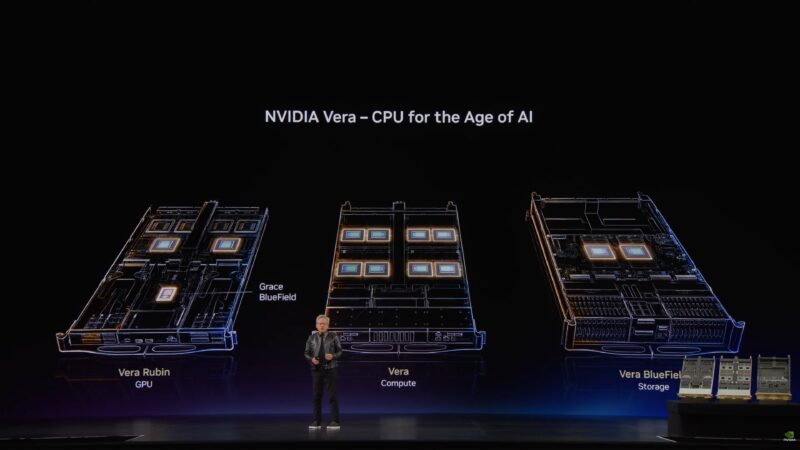
“Agents are impatient.”
“It is vital that we make the CPUs as low-latency as possible”
Jensen is now outlining how Vera CPUs are used in NVIDIA’s various tray types. Vera Rubin compute racks, CPU racks, and then storage racks.
“NVIDIA is already one of the largest CPU makers in the world.”
CPUs are now part of the critical path of the most expensive part of the data center.
Now recapping the hardware specs for Vera that NVIDIA has previously disclosed.
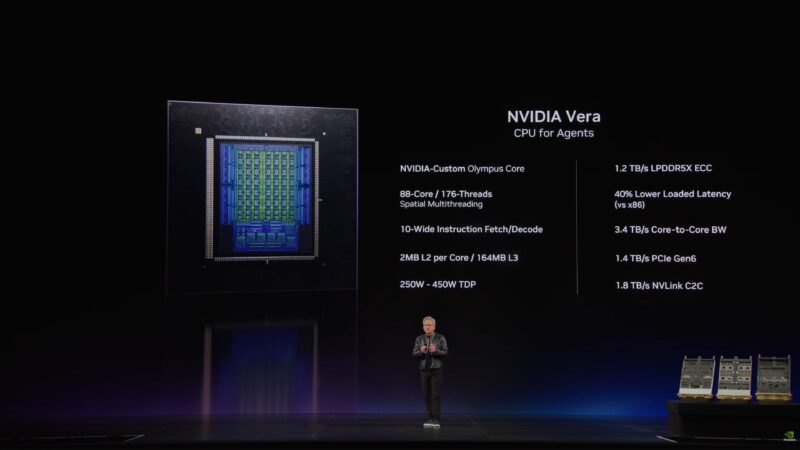
Single-threaded performance has to be world-class. “Highest in the world” IPC.
Bandwidth per core and bandwidth overall are also critical.
Vera is at reticle limits. “No chiplet tax.”
Jensen is again emphasizing how much bandwidth the chip offers, both for the internal fabric and externally.
It is a CPU created for agentic users, rather than for human users.
These CPUs need to be performant, but also energy-efficient. (Power spent on CPUs takes away from power that could be used for token generation)
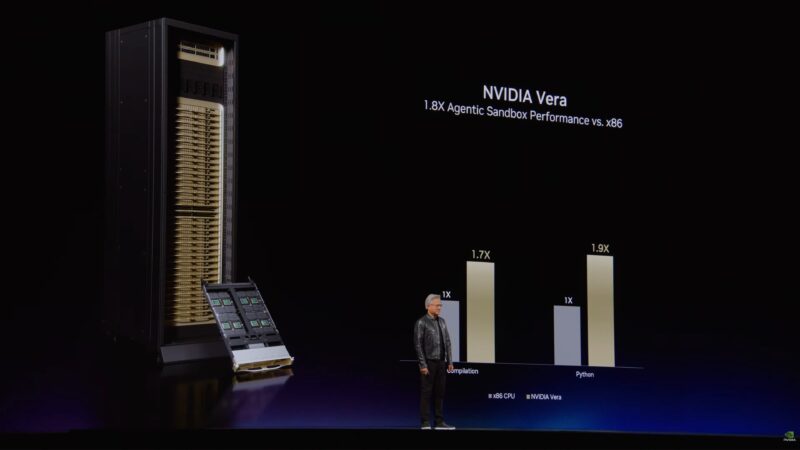
Suffice it to say, NVIDIA believes they will have the lead here.
Now rolling another video, this time on Vera.
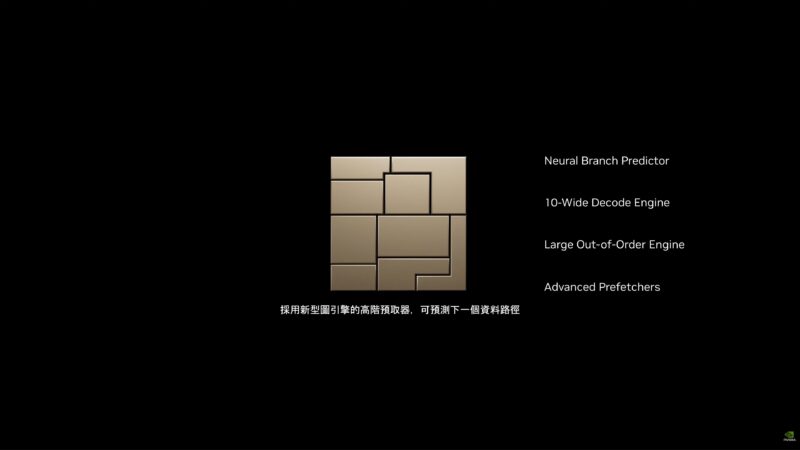
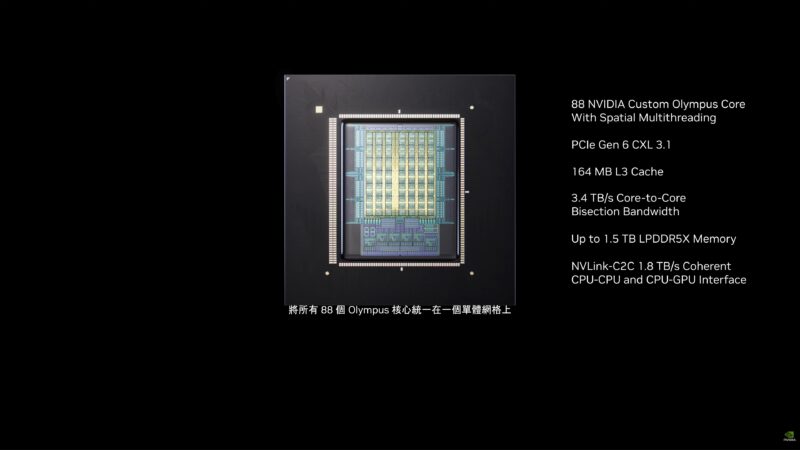
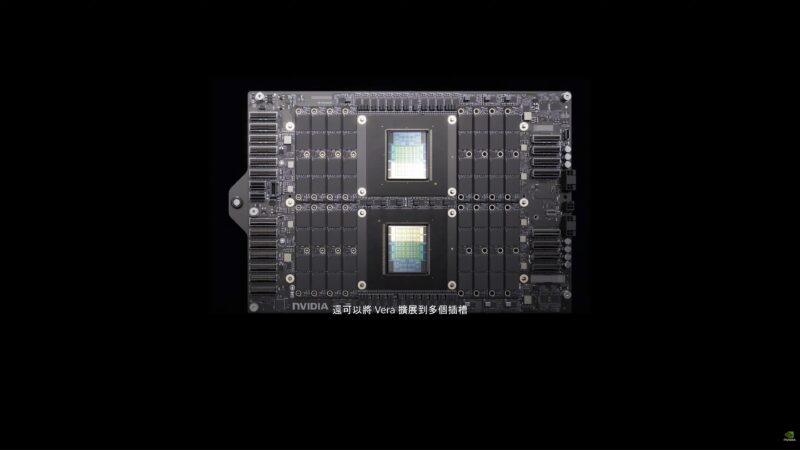
NVIDIA is claiming that Vera will deliver 1.8x the agentic performance of x86 CPUs.
“Vera is the CPU for the age of agents.”